Look Good, Feel Good? What Beauty Research Really Shows
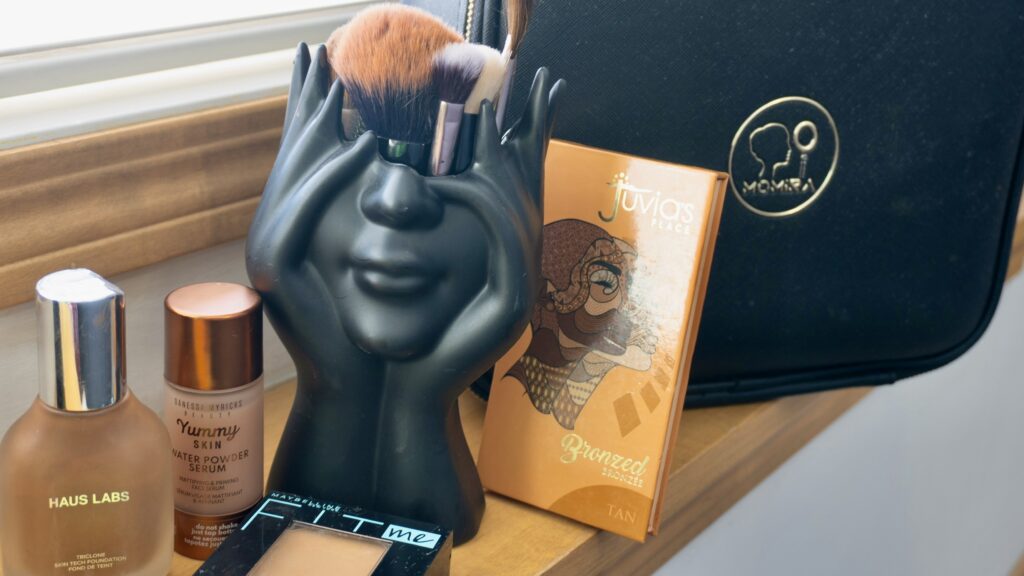
Study found that young women at York University in Toronto expressed higher body satisfaction and self-esteem following a week away from social media, according to research published in 2024. They compared them to women who continued their customary use to see if stepping away may assist. The findings provide a valuable reminder to those who adore beauty that feeling better is not necessarily about changing how someone appears.
Taking a break from comparison
The experiment involved 66 female undergraduates aged 17 to 24, randomly assigned to two groups. Researchers assessed their feelings before and after the week, accounting for their starting scores when comparing the results.
“With social media it’s infinite,” says study coauthor Jennifer Mills, describing the supply of online content in a York University news release.
Mills suggests that less comparison with others, or more time spent on activities away from screens, could help explain the improvements. Those explanations still need further investigation.
The results also have limits. Participants were willing to take a break, and the study measured changes over just one week. It doesn’t establish lasting benefits for everyone.
That distinction matters for beauty lovers. Enjoying a lipstick, choosing a nail colour and comparing appearance with strangers online are not the same experience. A useful starting point is noticing what each activity brings: pleasure, connection, pressure or a mixture of all three.
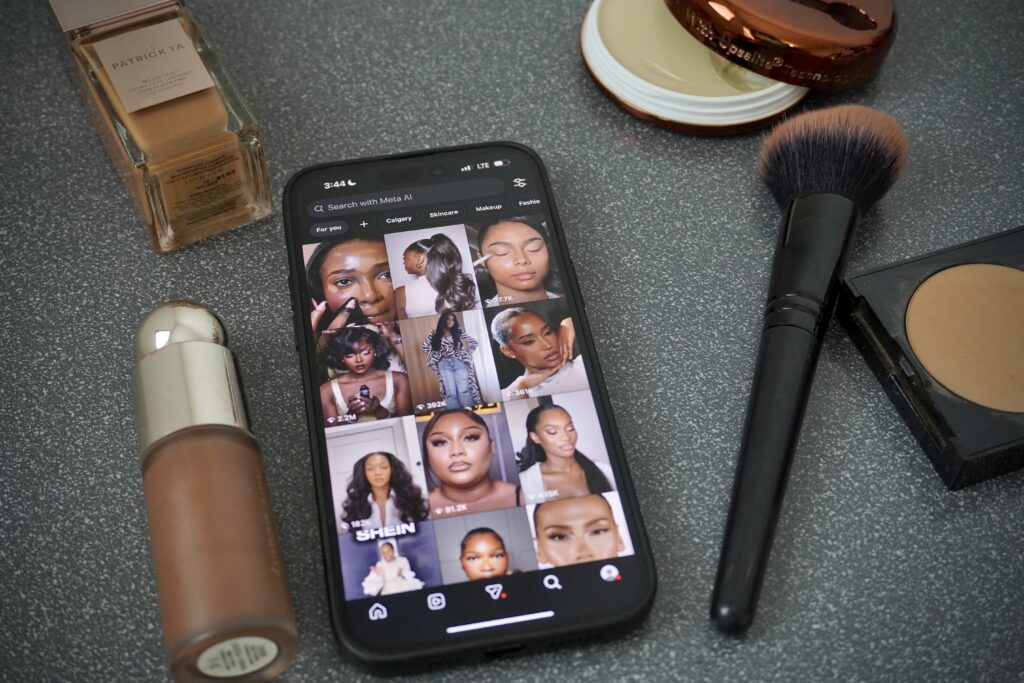
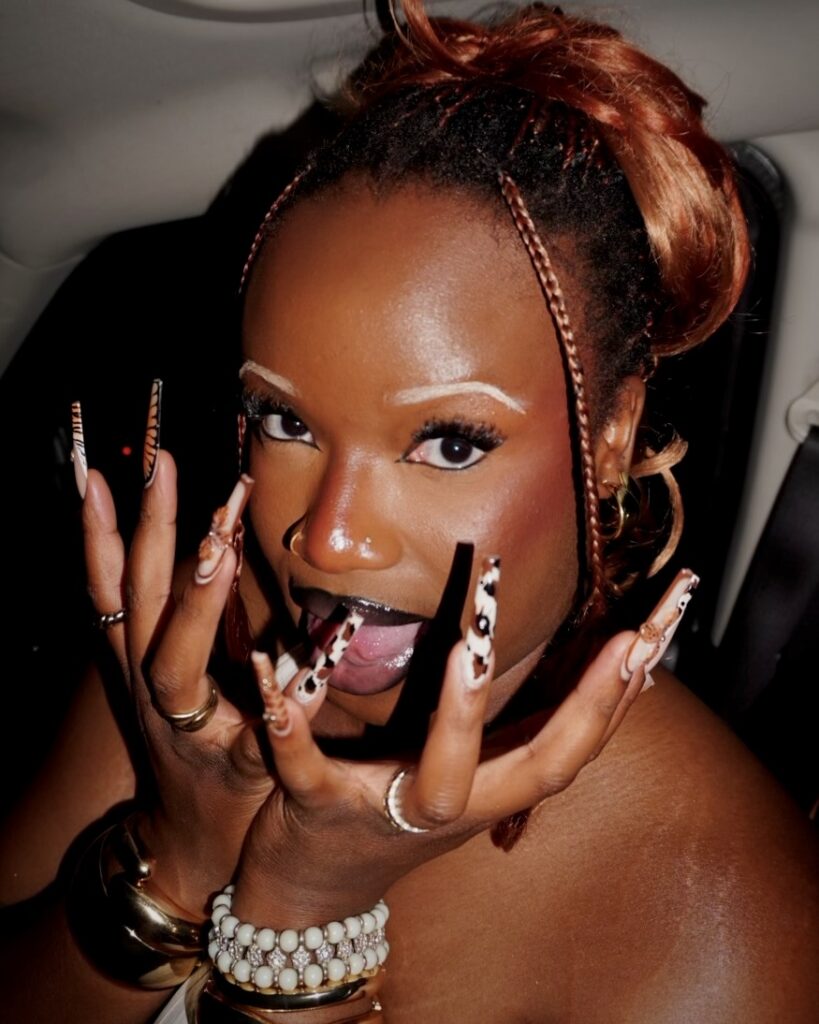
Photograph by Osaro Aihobaku, August 29, 2026.
Behind the Feed: Beauty, Confidence and Social Media
Makeup doesn’t tell the whole story
A 2022 survey of 1,483 Brazilian women found that women who placed greater importance on their appearance tended to use makeup more frequently. They also spent more time applying it and more money buying it.
However, confidence wasn’t a single, simple measure. Women with higher general self-esteem tended to spend less on makeup. Those with higher social self-esteem, concerning how they felt in social interactions, tended to spend more.
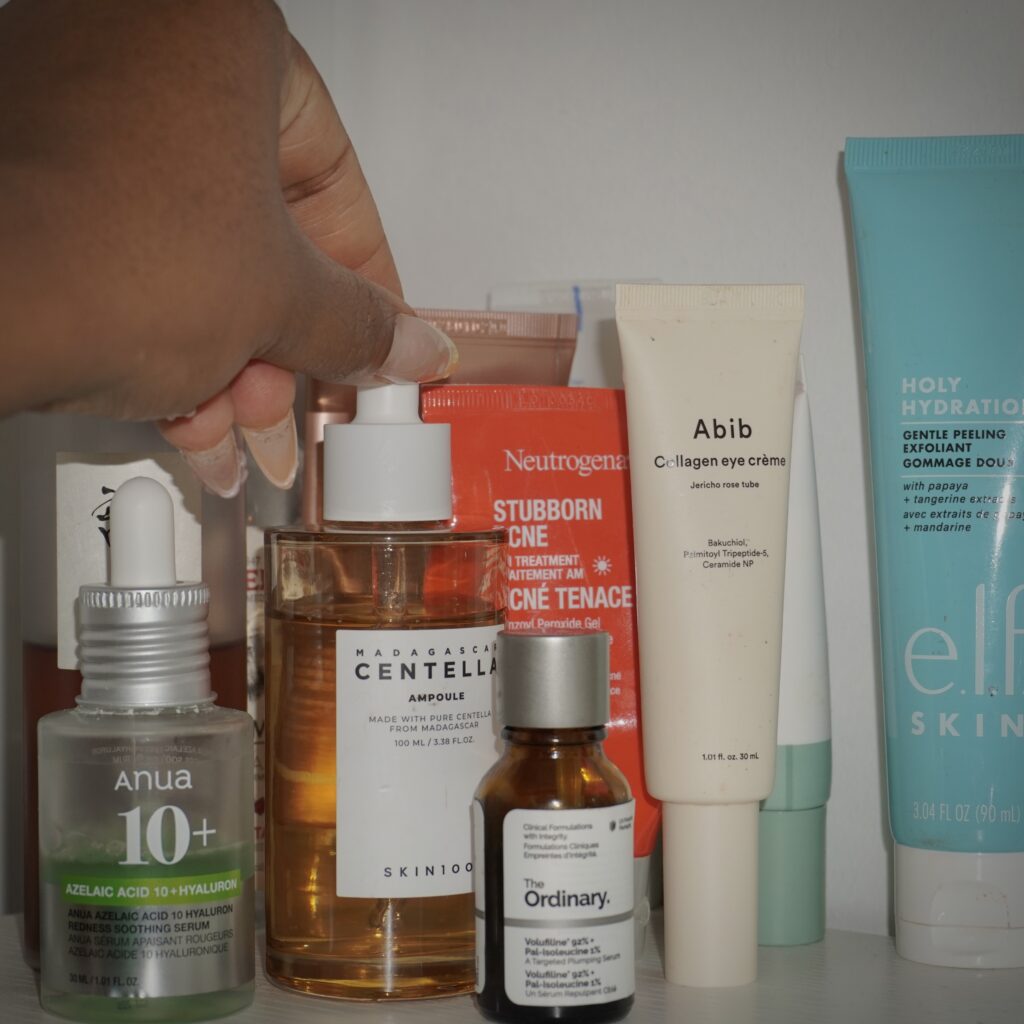
The survey identifies connections, not cause and effect. It cannot prove that makeup builds confidence or that buying fewer products improves self-worth. Someone’s makeup bag is not a reliable measure of how they feel about themselves.
More than a finished manicure
Beauty experiences can also involve relaxation and connection. In a 2023 study of nail care, 334 Japanese women reported positive feelings, relaxation and motivation associated with their nail routines.
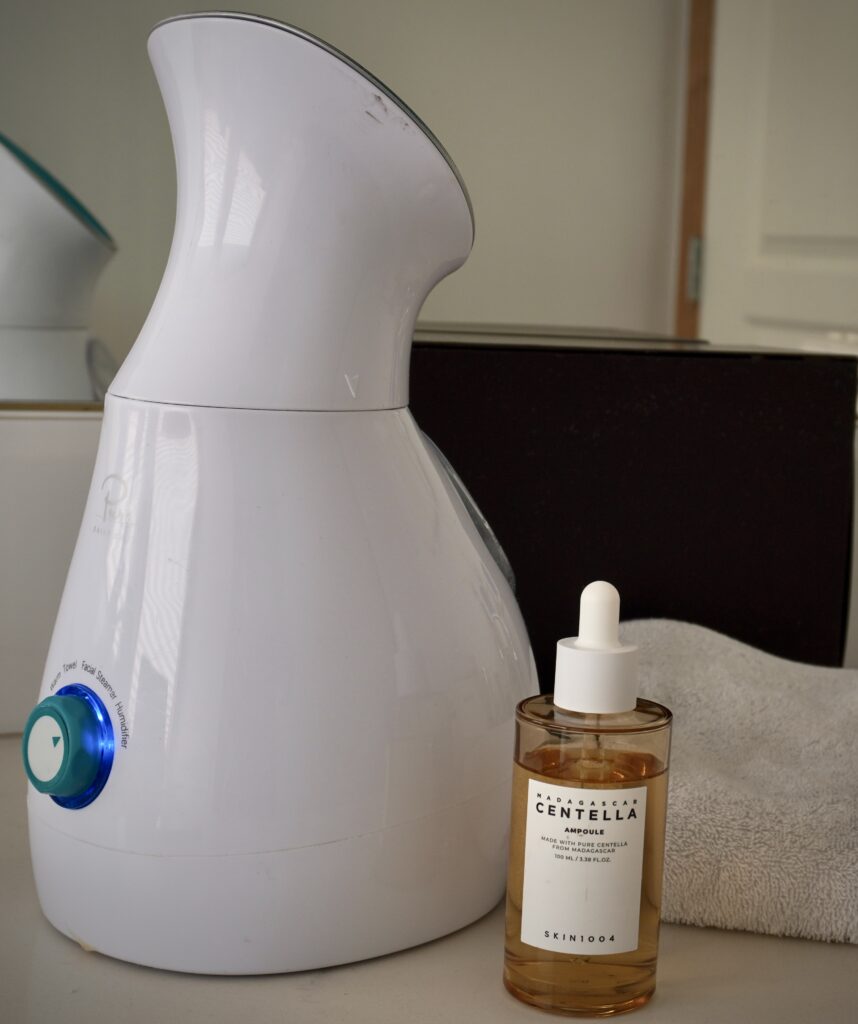
Salon clients reported more positive feelings and relaxation than women who cared for their nails themselves. Light conversation about hobbies and everyday life was also associated with positive experiences.
Still, the researchers relied on self-reports and did not compare these women with a group receiving no nail care. The findings do not prove that a manicure causes better mental health, and they may not apply across cultures or age groups.
Choosing beauty on personal terms
Together, these studies suggest a more useful question than whether beauty is good or bad: what role does it play in everyday life? They examine different experiences, not a universal formula for confidence.
For readers of Notes by Imose, including beauty lovers in Calgary, that question can start with a simple check-in. Does a routine feel enjoyable and expressive? Does it fit the available time and budget? Or does it feel like another standard to meet?
Before adding another product or appointment, take notes on the experience, not just the result. Enjoying beauty and questioning its pressures can belong in the same routine.
Video Story: Logging Off, Winding Down
This narrated video essay explores how stepping away from social media can transform a nighttime beauty routine into a quieter and more intentional form of self-care.
Logging Off, Winding Down: Beauty Beyond the Feed. Video by Osaro Aihobaku.